
SKILLED NURSING CARE
24/7 nursing support with compassion and dignity.
Skilled nursing care supports people whose medical, nursing, or functional needs require ongoing clinical oversight and coordinated care.
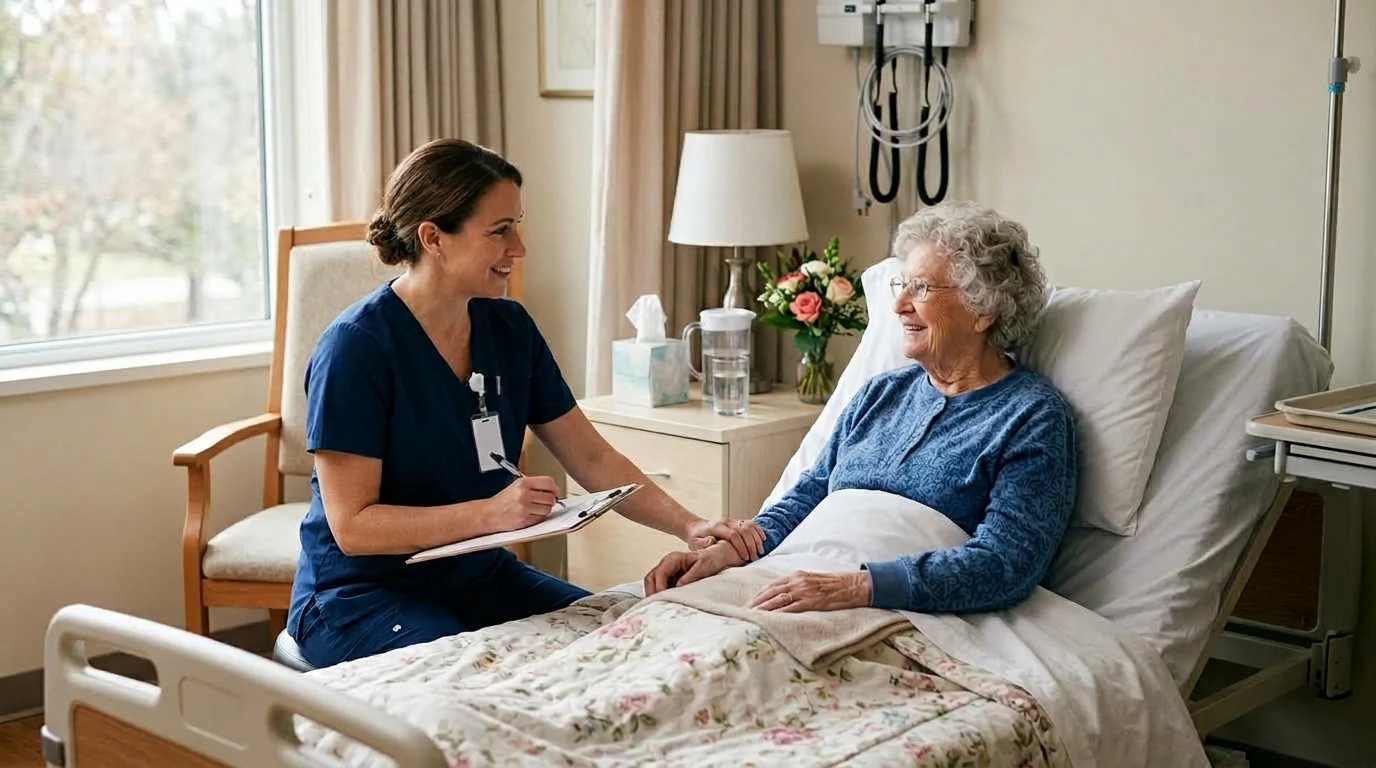
Clinical support based on individual needs.
Skilled nursing may be appropriate for people who need licensed nursing care, clinical monitoring, rehabilitation support, or assistance managing complex or changing health needs.
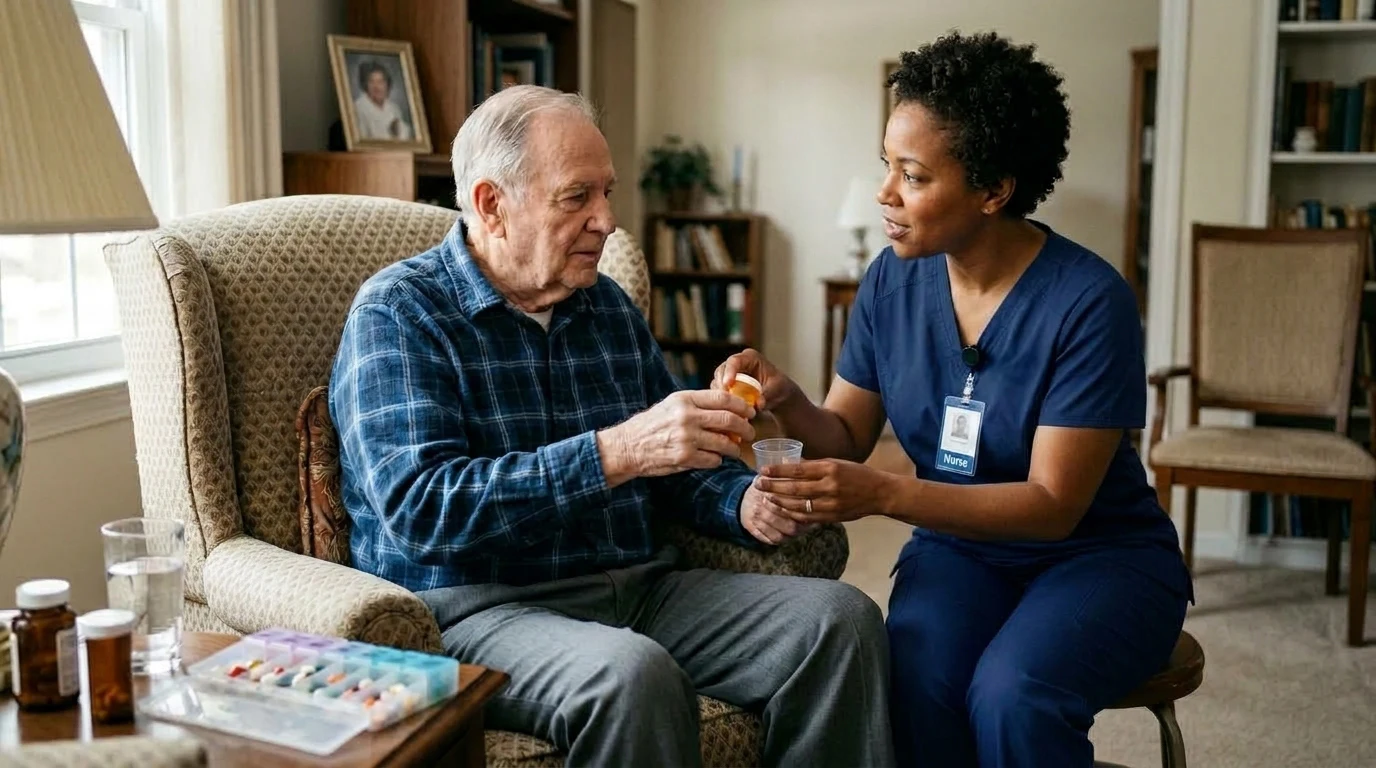
Skilled nursing may support people who need
- Nursing care available around the clock
- Clinical monitoring and medication management
- Post-hospital or post-surgical support
- Wound care or other ordered treatments, when available
- Rehabilitation services, when ordered and available
- Support related to chronic or complex health needs
- Coordination among physicians, nurses, therapists, and other providers
Care coordinated around the whole person.
Clinical services vary by facility and are provided according to physician orders, individual needs, and the plan of care.
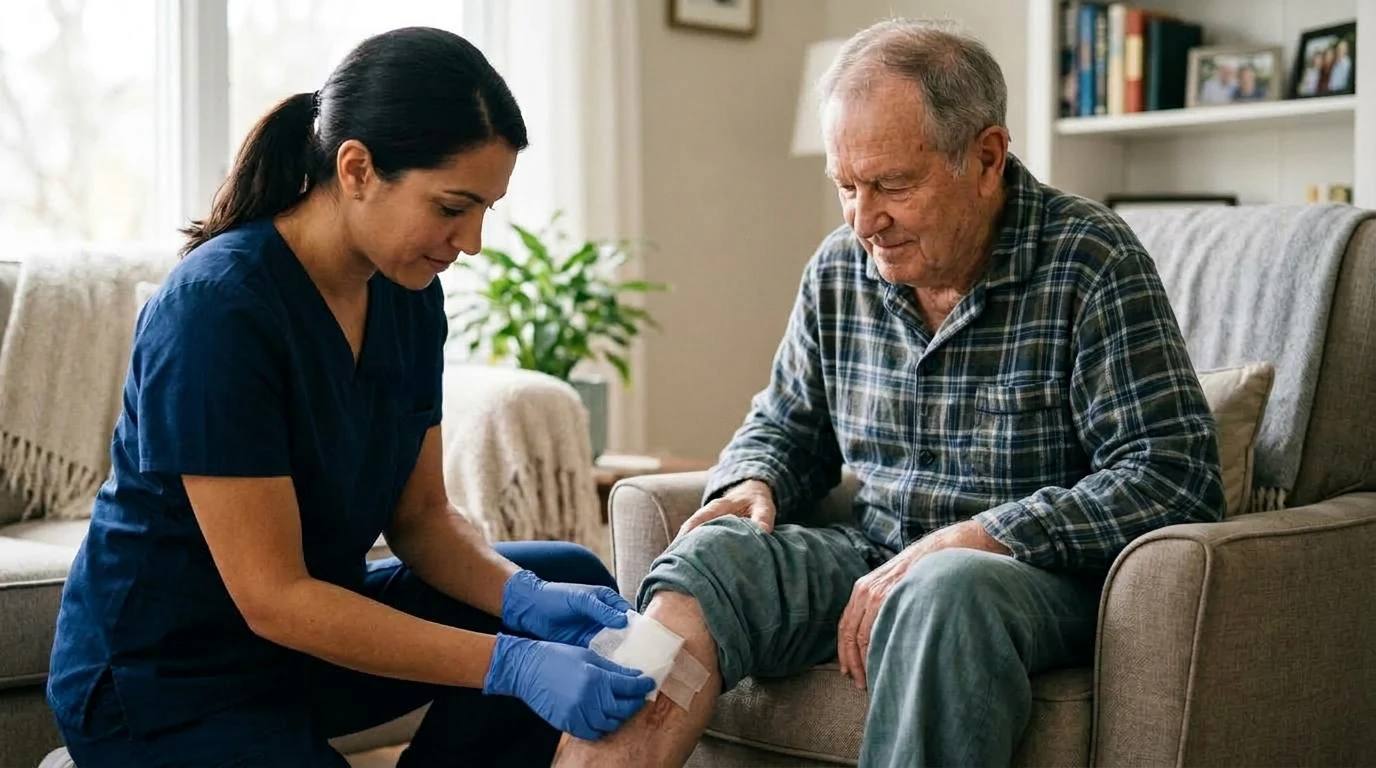
Facility-specific capabilities may include
- Medication administration and management
- Wound care
- IV therapy
- Respiratory support
- Enteral nutrition support
- Diabetes management
- Pain management
- Rehabilitation and restorative nursing
- Specialty programs available at this community
Different disciplines. One coordinated plan.
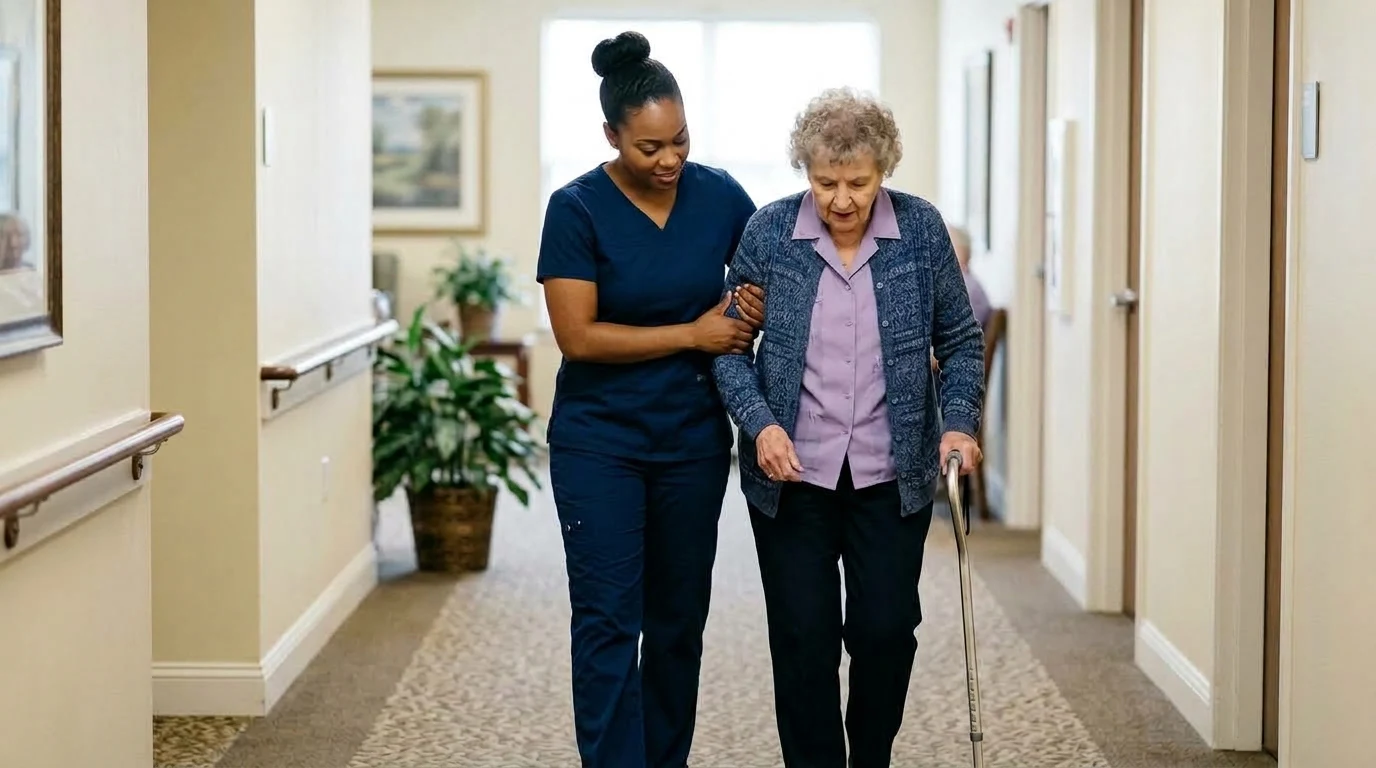
Depending on individual needs, the care team may include nursing, therapy, dietary, social services, activities, physicians, advanced practice providers, pharmacy, and other healthcare partners.
Nursing assessment and ongoing observation
Therapy evaluation and treatment, when ordered
Nutrition and dietary support
Social services and transition planning
Activities and quality-of-life support
Communication with families and healthcare partners
A plan that evolves with the person.
The interdisciplinary team develops and reviews the plan of care based on current needs, physician orders, preferences, goals, and changes in condition.
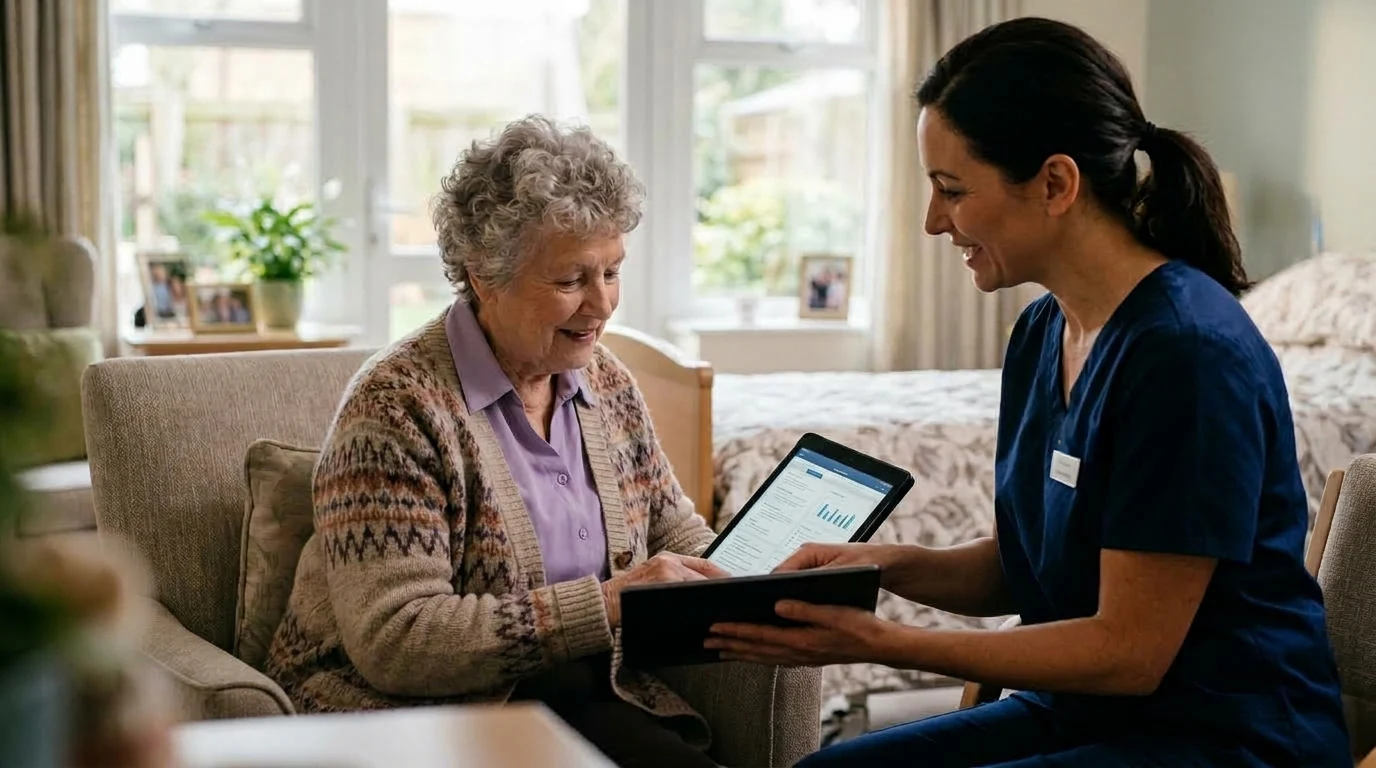
Care planning may include
- Clinical goals and treatment needs
- Mobility, safety, and assistance needs
- Nutrition and medication considerations
- Therapy or restorative goals
- Preferences, routines, and quality-of-life priorities
- Discharge or transition planning, when applicable
Clear information for a more coordinated referral.
Hospital teams, physicians, case managers, and other referral partners can quickly review facility capabilities and connect with the appropriate admissions contact.
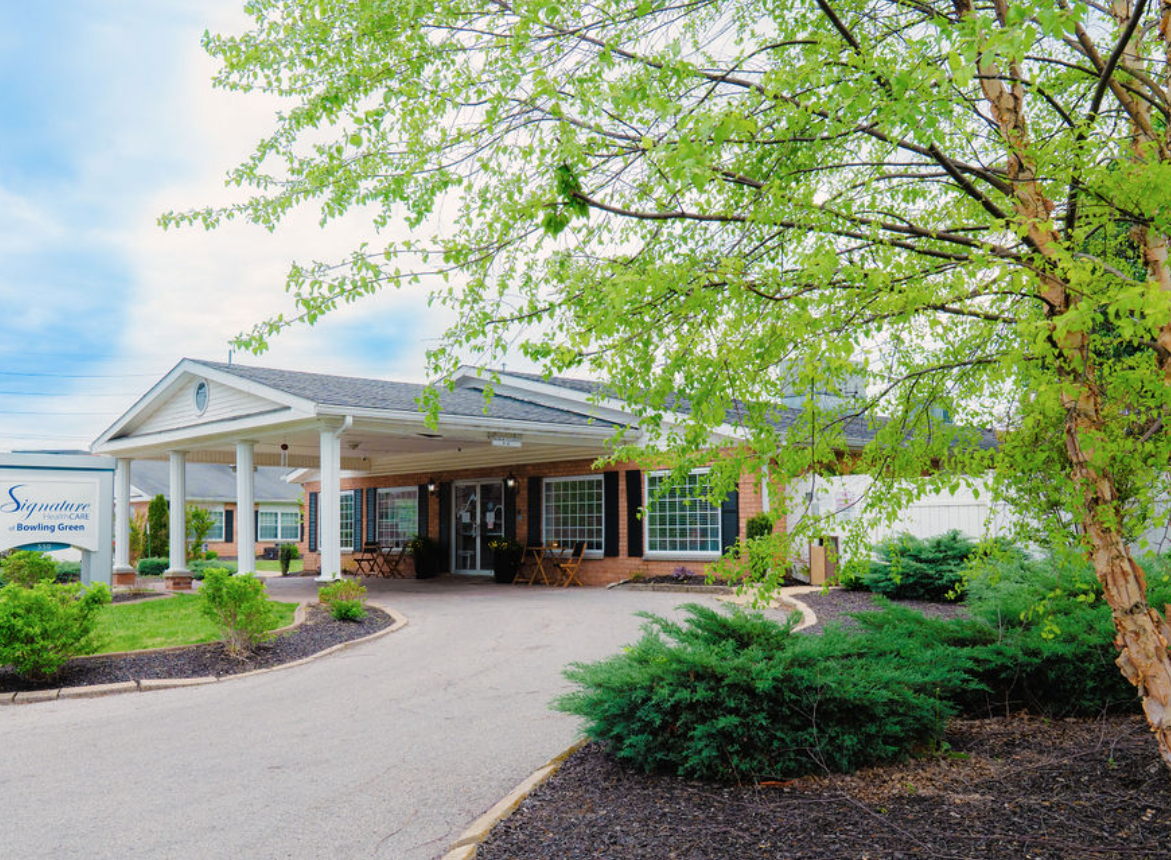
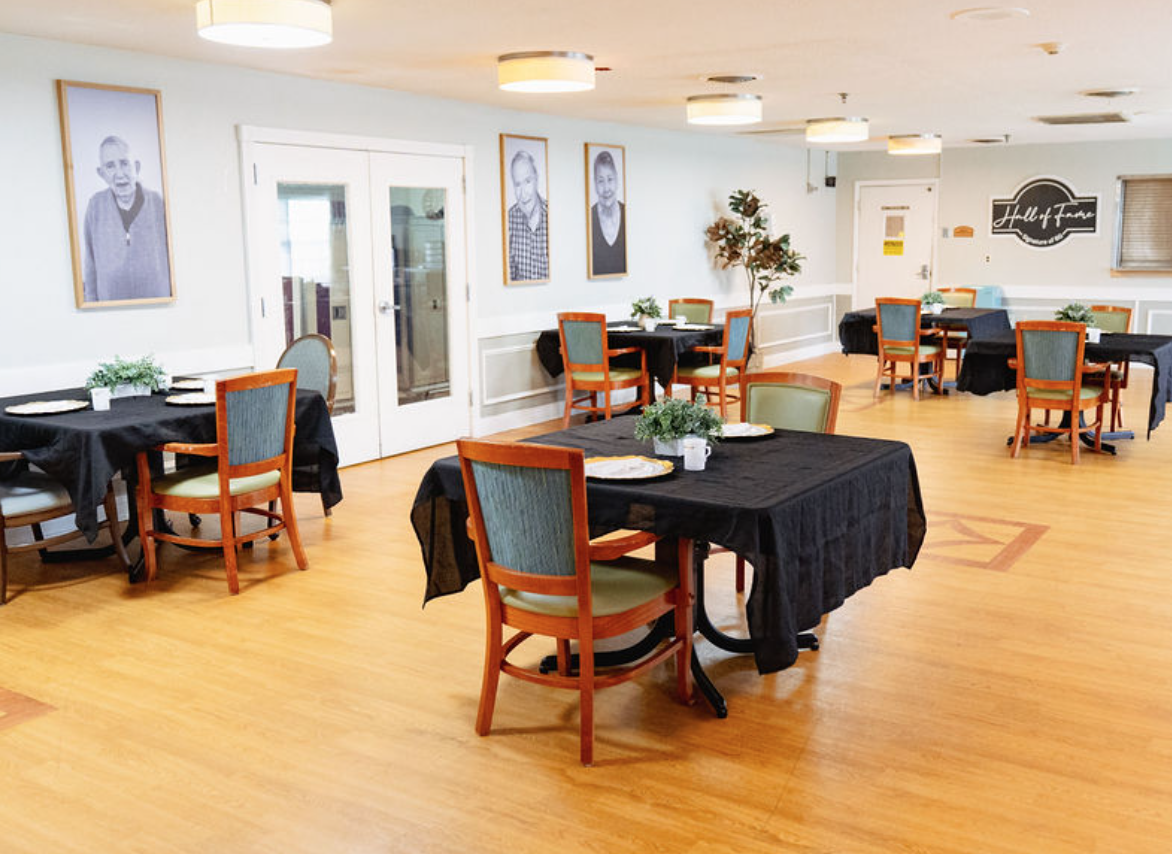
Explore the care environment.
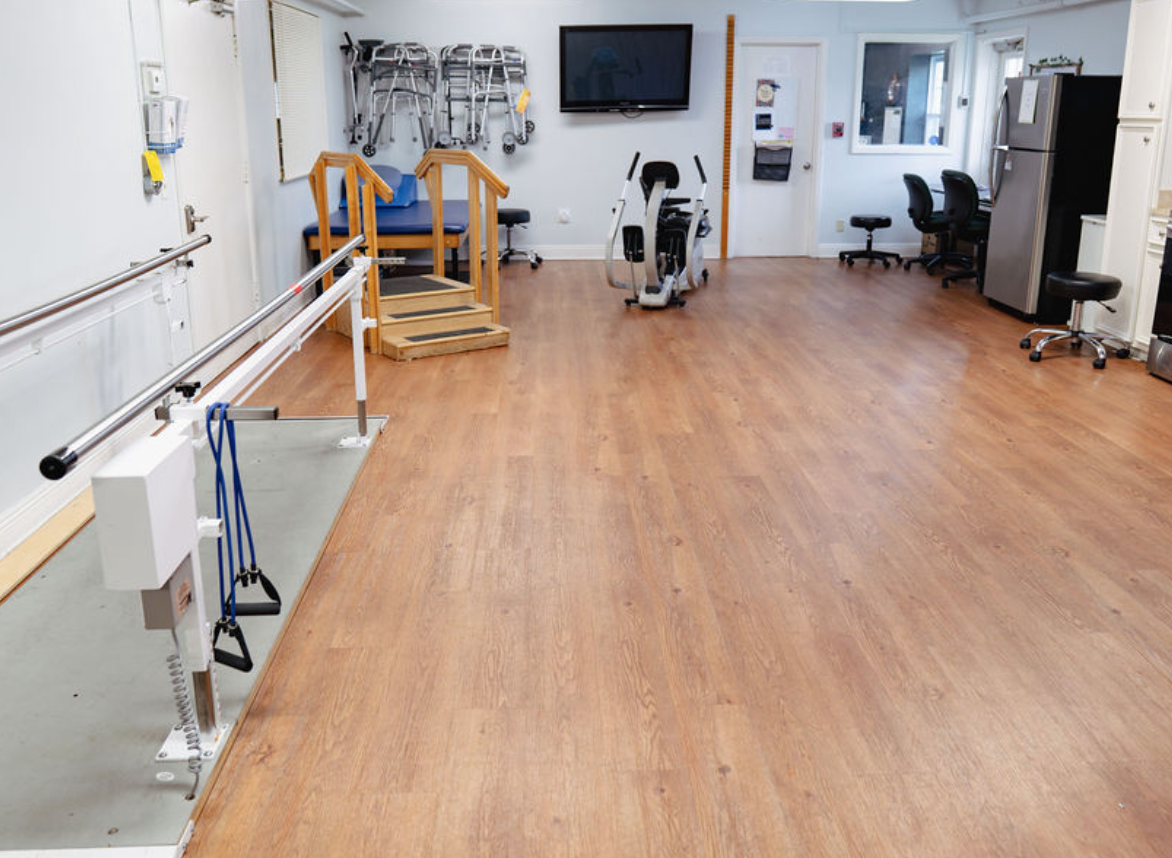
See rooms, nursing and therapy spaces, gathering areas, dining spaces, and other features available at this community.
Frequently Asked Questions
What is skilled nursing care?
Skilled nursing care is provided by licensed nurses and other healthcare professionals for people who need clinical oversight, treatment, rehabilitation, or assistance beyond what can be safely managed in another setting.
Is skilled nursing only for long-term residents?
No. Skilled nursing may support both short-term recovery and longer-term needs, depending on the individual situation and facility services.
How do I know whether the facility can meet a specific clinical need?
Contact Care Navigation or the facility admissions team. They can review the referral information and confirm whether the facility’s current capabilities align with the person’s needs.
Do you accept hospital referrals?
Yes. Referral partners can contact the facility admissions team or use the provider referral pathway. Acceptance depends on clinical review, availability, and other applicable requirements.
How are families kept informed?
With the patient or resident’s permission, the team communicates with families and caregivers through care planning, updates, education, and transition discussions.
What should I bring?
A few familiar items can help make your stay more comfortable. Please bring:
- Loose fitting, easily removable clothing
- A pair of non-skid, supportive shoes and socks
- Your favorite non-medicated toiletry items for personal use (personal toiletries are provided, but feel free to bring your own for comfort)
- Family photos, blankets, and reading materials to make you feel more at home
- Insurance cards, Advance Directive, Power of Attorney documents
- A current medication list
Have a skilled nursing question?
Connect with SHC of Bowling Green to discuss care needs, a referral, or the next step.