Physical Therapy
Support for strength, balance, mobility, transfers, and walking.


SHORT-TERM REHABILITATION
Short-term rehabilitation supports recovery after an illness, injury, surgery, or hospital stay with therapy and nursing care tailored to individual goals.

Short-term rehabilitation may be appropriate for people who need additional therapy, nursing support, or time to rebuild strength before returning home or moving to the next level of care.

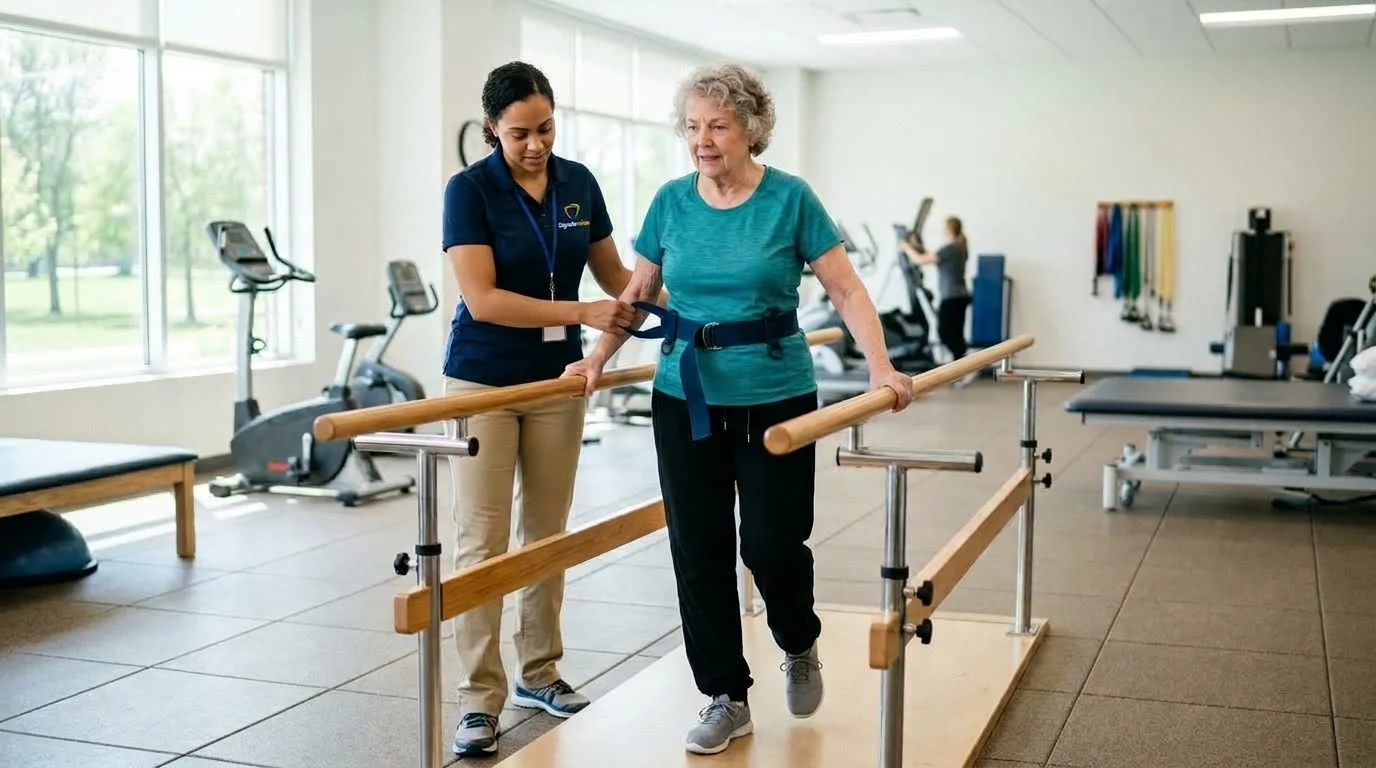
Our interdisciplinary team works with each patient, family, and healthcare provider to develop a plan focused on safety, function, confidence, and the next step in recovery.
Support for strength, balance, mobility, transfers, and walking.
Support for everyday activities such as dressing, bathing, and preparing to return home.
Support for communication, cognition, and swallowing when clinically appropriate.
Nursing care and clinical monitoring based on the individual plan of care.
The care team reviews current needs, prior level of function, physician orders, and personal goals.
Therapy, nursing, and support services are coordinated around the individual plan of care.
The team monitors progress and communicates with the patient, family, and healthcare partners.
Discharge planning begins early and may include education, equipment needs, home-safety considerations, and follow-up services.
Explore the therapy spaces, rooms, gathering areas, and other features available at this community.

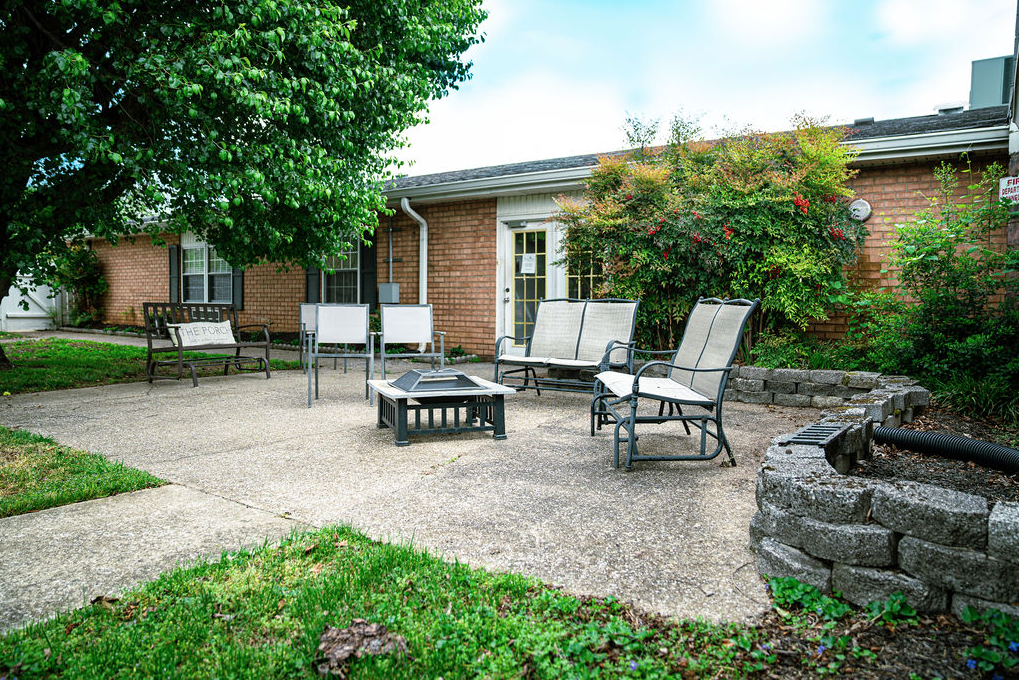
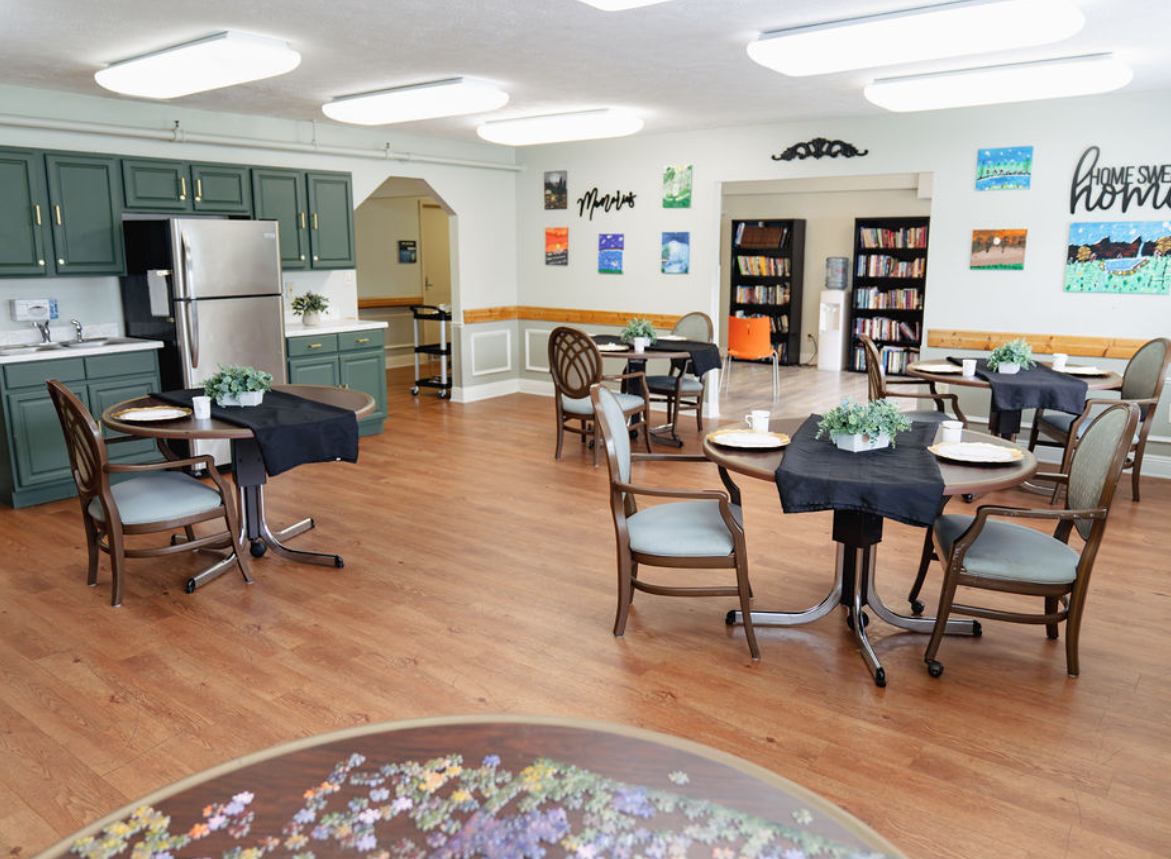
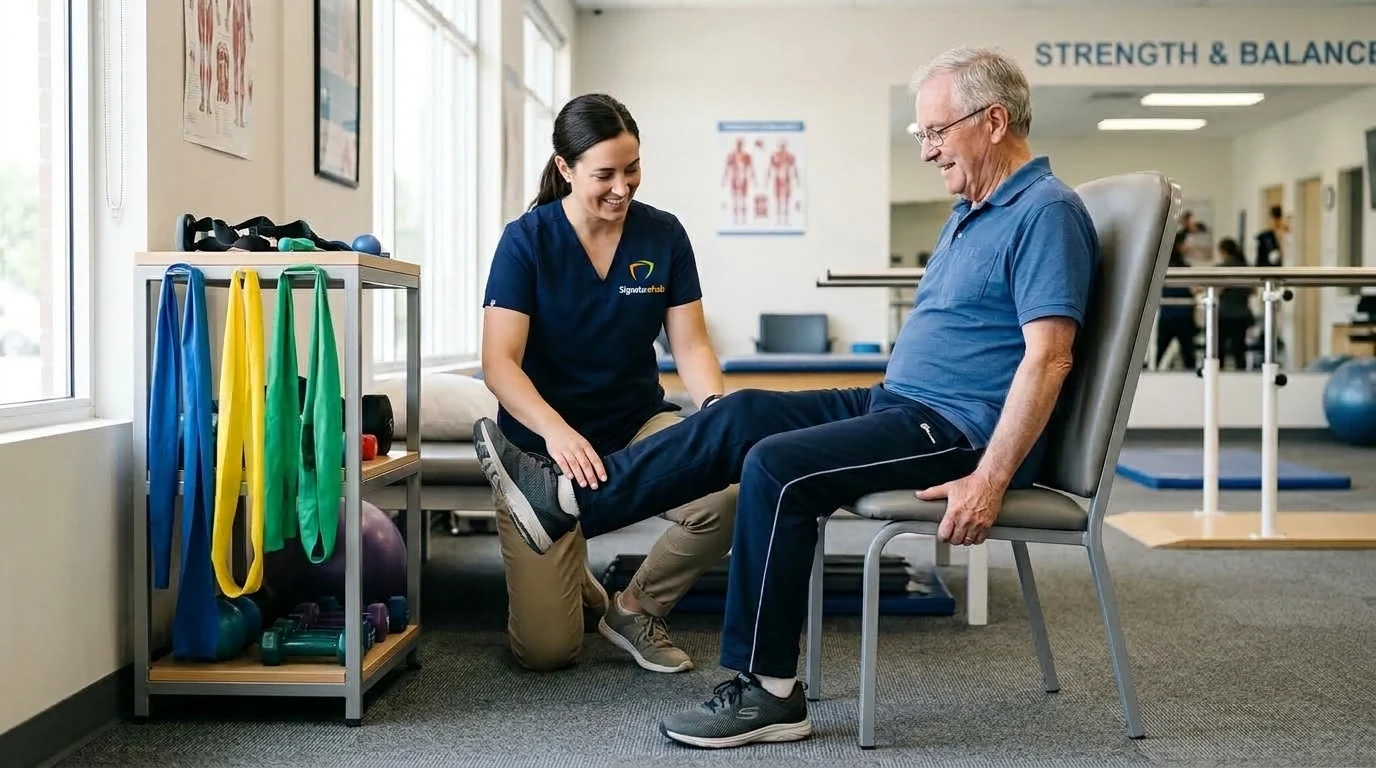
The care team works with patients, families, and healthcare partners to help prepare for a safe, informed transition. Recommendations vary based on individual needs and progress.
Caregiver education and communication
Medication and follow-up instructions
Equipment and mobility recommendations
Home-safety considerations
Coordination with home health or outpatient services, when applicable
The length of stay varies based on medical needs, progress, goals, insurance coverage, and the discharge plan.
Therapy frequency is based on the individual plan of care, clinical needs, and program availability.
A few familiar items can help make your stay more comfortable. Please bring:
Coverage varies by plan and eligibility. Care Navigation or the admissions team can help review available information and next steps.
With the patient’s permission, family members and caregivers may participate in care discussions, education, and transition planning.
Connect with SHC of Bowling Green to ask questions, discuss a referral, or plan a visit.